5 Days/ 4 Nights
$ 2500.00
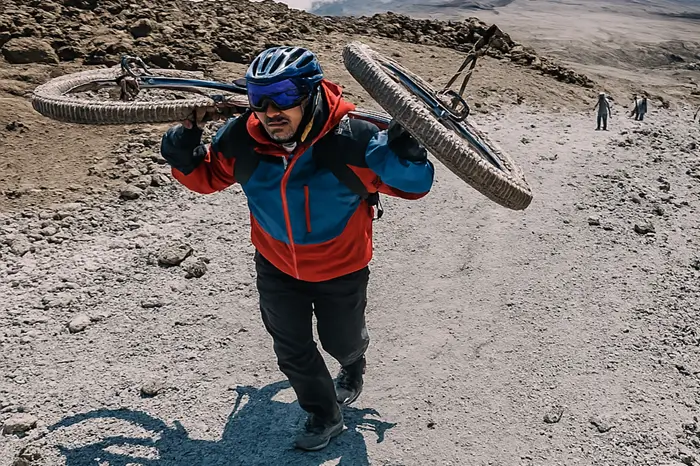
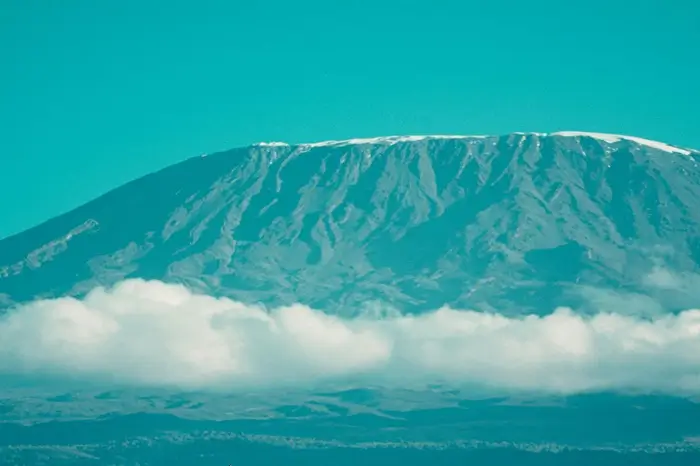
Our Kilimanjaro Bike Trek is an exciting new way to explore Mount Kilimanjaro. The Kilema Route is the only path that allows cyclists to reach the summit by mountain bike. Guided by our experienced team, who have successfully led numerous bike treks to Kilimanjaro’s 5,895-meter summit, this adventure spans 5 days and includes proper acclimatization.
This trek combines physical exercise with the enjoyment of the natural environment, ensuring minimal ecological impact while maximizing the visitor experience. Those aiming for the summit will follow the 19 km Kilema Route, meeting their porters at Horombo before continuing to the top. For participants not attempting the summit, cycling begins from Londorosi Gate or Morum Picnic Site, with a round trip of 44 km back to Morum.
Upon arrival at Kilimanjaro International Airport, you will be greeted and transferred to Salinero B&B for overnight accommodation. Your lead guide will conduct a briefing, check your gear, and help you rent any equipment needed for the trek.
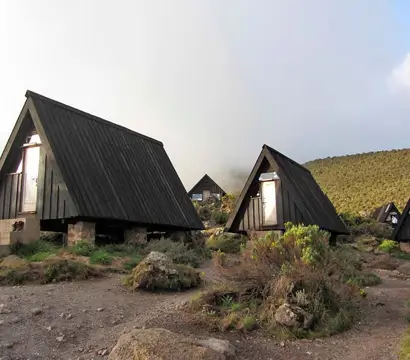
You will be picked up from Salinero Hotel at 8:30 AM. This morning, we’ll ride through Kilimanjaro’s semi-tropical foothills to Marangu Gate, where we’ll take a few minutes for registration and to obtain your permit. Then, we’ll continue to Kilema Gate to enter Kilimanjaro National Park and begin today’s cycling journey, reaching Horombo H. Today’s ride is entirely on bike.
Cycling distance: 19 km
Vegetation: Forest and Moorland
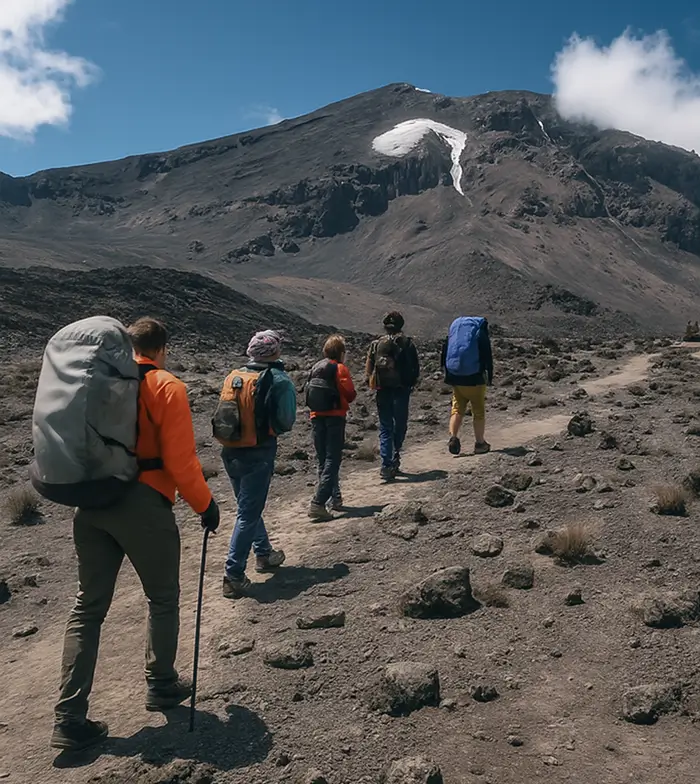
After breakfast, begin your cycling adventure through the Alpine desert. You’ll navigate some sections with loose stones, reaching Mawenzi Hut before returning to Horombo.
Today's ride is mostly through alpine desert terrain, covering approximately 10 km of cycling.
After breakfast you will continue with riding to Kibo Hut, you will ride on a small stone in most areas
Cycling today is 90%.
Vegetation: Alpine Desert
At 4:00 AM, your guides will wake you to begin the zigzag trek up a long scree slope. After about two hours, you will reach Hans Meyer’s Cave, where the incline becomes steeper. Continue your ascent for roughly three more hours to reach Gilman’s Point. Here, you will receive your bike from the porters and start cycling toward Uhuru Peak. Upon reaching Uhuru Peak, take a few moments for photos before riding down to Stella Point. After lunch, continue your descent to Horombo.
Cycling breakdown for today:
Kibo to Uhuru and back to Kibo: 15%-20% of the route
Kibo to Horombo: 100% of the route
Vegetation: Alpine desert / Icecap
The climb to the summit follows a switchback path, keeping you focused and warm while anticipating the sense of achievement ahead. Ascend through loose scree and possible snow toward Gilman’s Point on the crater rim, where you will be rewarded with a breathtaking sunrise during a brief rest. Faster climbers may even witness the sunrise from the summit. From Gilman’s Point, the final hour to Uhuru Peak will likely involve snowy terrain.
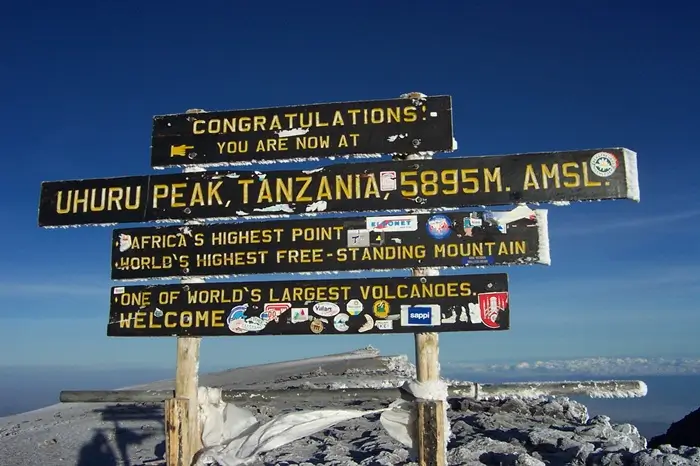
Step by step, you will reach Uhuru Peak—the highest point on Mount Kilimanjaro and the entire African continent! Take a moment to celebrate, capture photos, and enjoy the emotions of this incredible accomplishment.
The descent begins afterward, heading steeply down to Mweka Camp with a stop at Barafu for lunch and a short rest. Trekking poles and gaiters are highly recommended due to loose gravel and volcanic ash along the path. A well-earned rest awaits you at Mweka Camp, where you will spend your final evening on the mountain.

After a relaxed breakfast, enjoy your final ride through the alpine and rainforest landscapes to Kilema Gate, from where you will be transferred to Marangu Gate for check-out, and then onward to Salinero Hotel.
Two nights accommodation at the Salinero Hotel in Moshi ( before and after the climb) including breakfast and Dinner.
Mountain Bike and Mountain Guide
Arrival and Departure transfers from the airport
Quality, waterproof, four-season private mountain sleeping tents (or hut fees for Marangu route)
Professional, experienced, mountain guides
All Park fees
Rescue Fees
All meals on the Mountain (Breakfast, Lunch & Dinner)
Guides, Porters, cook salaries and park fees
Quality Mess tents with table and chairs
Large portions of fresh, healthy, nutritious food
Complete medical kits
Clean, purified drinking water
Boiled water on the mountain
Guides, porters, waiter, cook accommodation and entry fees on the mountain
Visas
Tips for the crew
The best time to climb Mount Kilimanjaro is during the two trekking seasons: January to March and June to October. These periods offer favorable conditions for a safe and enjoyable climb.
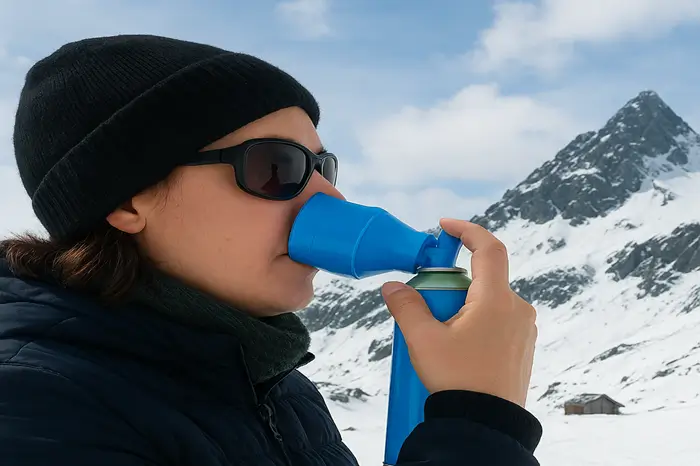
The percentage of oxygen in the atmosphere at sea level is about 21%. Before planning your Mount Kilimanjaro Trip, it is crucial to explore the cost of climbing Kilimanjaro.
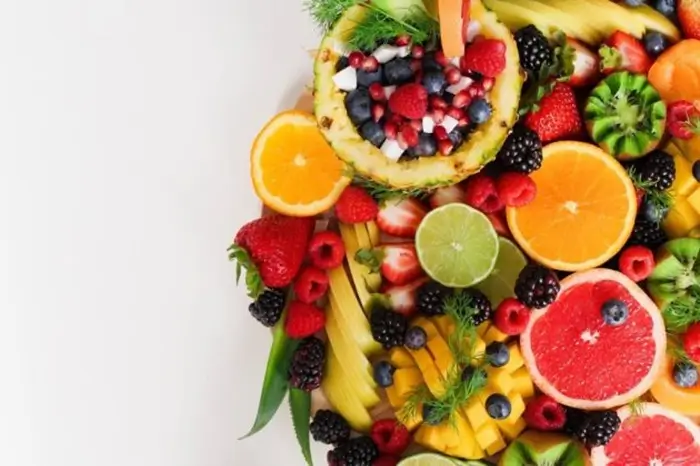
For high-altitude treks like Kilimanjaro, proper nutrition is crucial for maintaining energy levels and ensuring a successful climb. You will need nutritious foods to gain proper energy.