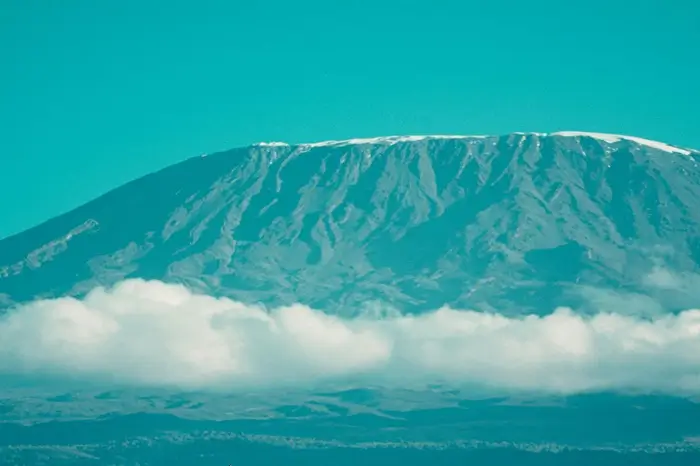
Rising nearly 6,000 meters (19,700 feet) above the surrounding rainforests and savannas, Mount Kilimanjaro is Africa’s highest peak and the fourth most prominent mountain in the world. Standing at 19,341 feet, it is the tallest mountain on the continent, with its summit uniquely capped with snow and ice—the only such occurrence in Africa.
Locally known as Uruhu, meaning “freedom” in Swahili, Kilimanjaro consists of three volcanic cones: Kibo, Mawenzi, and Shira. It towers above the Eastern Rift Mountains near Tanzania’s border with Kenya. Climbing Kilimanjaro takes adventurers through five distinct ecological zones. The journey begins in lush tropical rainforests, home to diverse birds and monkeys, including the black-and-white colobus. From there, trekkers pass through open savannas, then alpine moorlands—moon-like terrains dotted with cacti, lobelias, and proteas. Next comes a desert-like zone, followed by icy slopes and snow-covered plains near the summit.
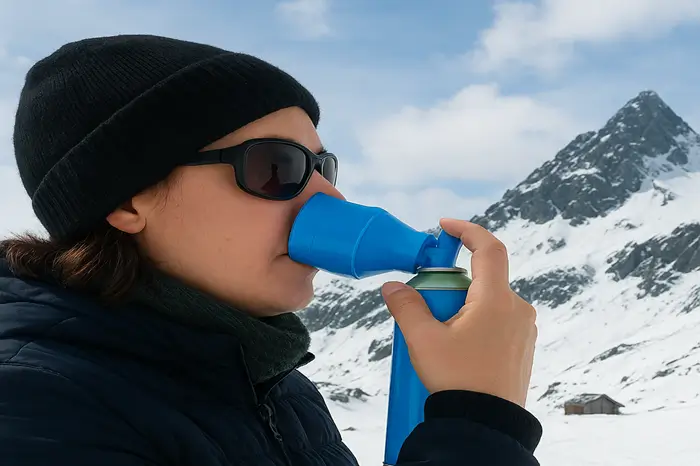
Despite being a dormant stratovolcano, Kilimanjaro is widely regarded as the easiest of the world’s Seven Summits to climb, with some routes requiring no technical climbing skills. Consequently, it attracts around 30,000 climbers each year, making it Africa’s most popular peak. Nevertheless, altitude remains the primary challenge. With a base-to-summit elevation gain of 5,885 meters (19,308 feet), proper acclimatisation is critical. Most of the approximately 10,500 climbers who fail to reach the summit annually do so due to altitude sickness.
Being physically fit before the climb significantly enhances the chances of a successful and enjoyable ascent, culminating in a breathtaking sunrise over the eastern savannah. Cardiovascular strength also aids acclimatisation. Choosing the right route is another key factor. Kilimanjaro offers six main trails to the summit: Lemosho, Machame, Marangu, Northern Circuit, Rongai, and Umbwe.
Among these, the Marangu route is the shortest and often considered the easiest, though it is steeper and offers less opportunity for acclimatisation. The Machame route is viewed as slightly easier overall, though it is longer and more costly.
Climbing Kilimanjaro typically begins before dawn, with trekkers ascending steep slopes alongside the summit glacier to reach the peak by mid-morning. With adequate preparation and the right route choice, climbers are rewarded with a spectacular sunrise over the eastern savannah, making the adventure unforgettable.